Participants
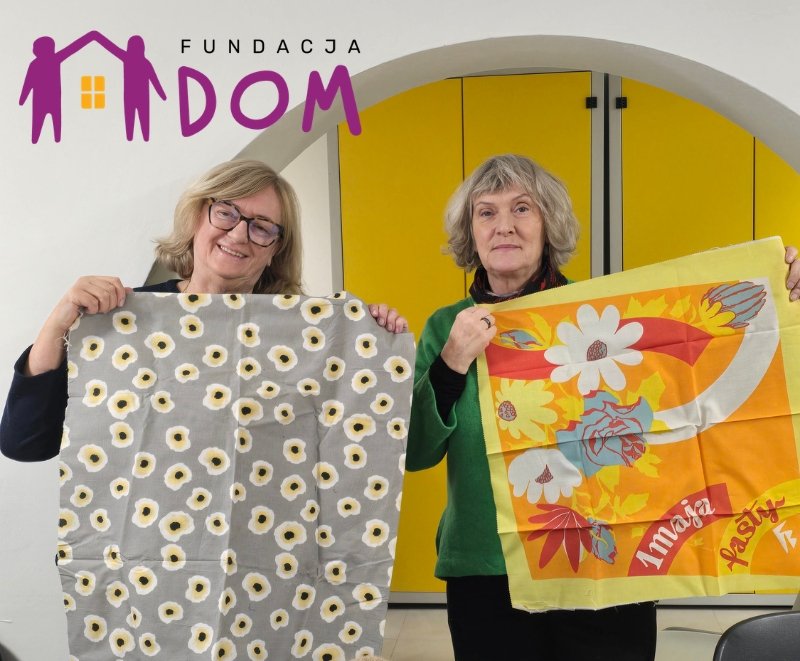
Founded in 2004 in Białystok, FUNDACJA DOM is a Polish foundation dedicated to adult education, lifelong learning, and the preservation of local cultural heritage. As the FABRIC project coordinator, FUNDACJA DOM oversees the partnership and the implementation of the project activities. The organisation actively works with older adults and intergenerational groups, creating educational and artistic activities connected with memory, identity, and textile traditions. One of its most important initiatives focuses on documenting the history of the former Fasty textile factory and preserving oral histories, photographs, and archival materials related to the region’s industrial heritage. Through international Erasmus+ cooperation and community-based projects, the foundation promotes cultural participation, digital preservation, and social inclusion.
Website: FUNDACJA DOM
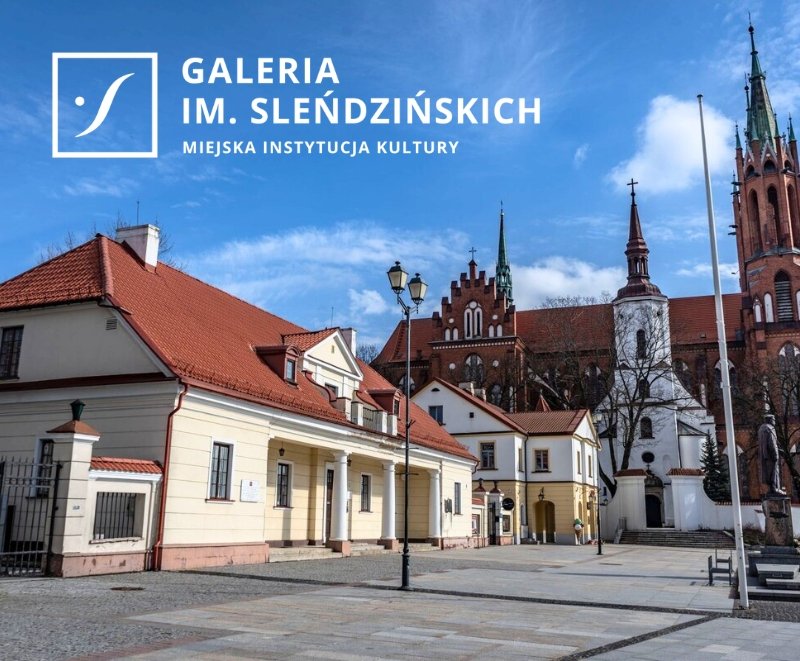
Galeria im. Sleńdzińskich is a public cultural institution based in Białystok that combines artistic exhibitions with extensive educational activities for diverse audiences. The gallery operates through departments dedicated to contemporary art, photography, Jewish culture, and the legacy of the Sleńdziński family. It has strong experience in museum education, creative workshops, and intergenerational cultural programmes, particularly for adults and seniors. The institution is also actively engaged in projects related to textile heritage, local history, and artistic experimentation, encouraging community participation and dialogue through art and cultural heritage initiatives.
Website: Galeria im. Sleńdzińskich
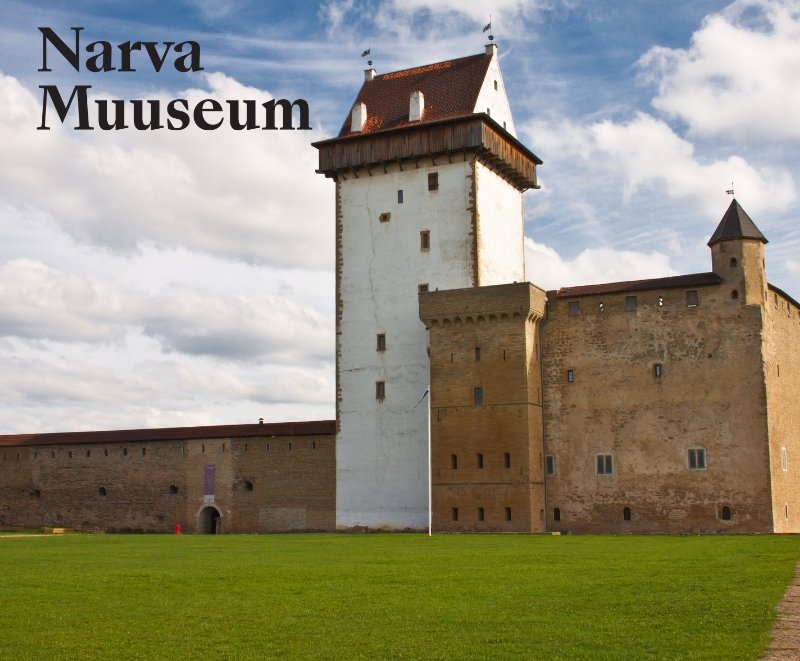
SA Narva Muuseum is one of Estonia’s leading regional museums, dedicated to preserving and promoting the history and cultural heritage of Narva and the surrounding region. The museum manages extensive historical, archaeological, ethnographic, and digital collections while organising exhibitions, workshops, conferences, and educational programmes for local and international audiences. A significant part of its work focuses on the heritage of the historic Krenholm textile factory, including the preservation of textiles, photographs, machinery, and oral histories from former workers. The museum also has strong expertise in digitisation, collection management, and digital archiving practices within the cultural heritage sector.
Website: SA Narva Muuseum
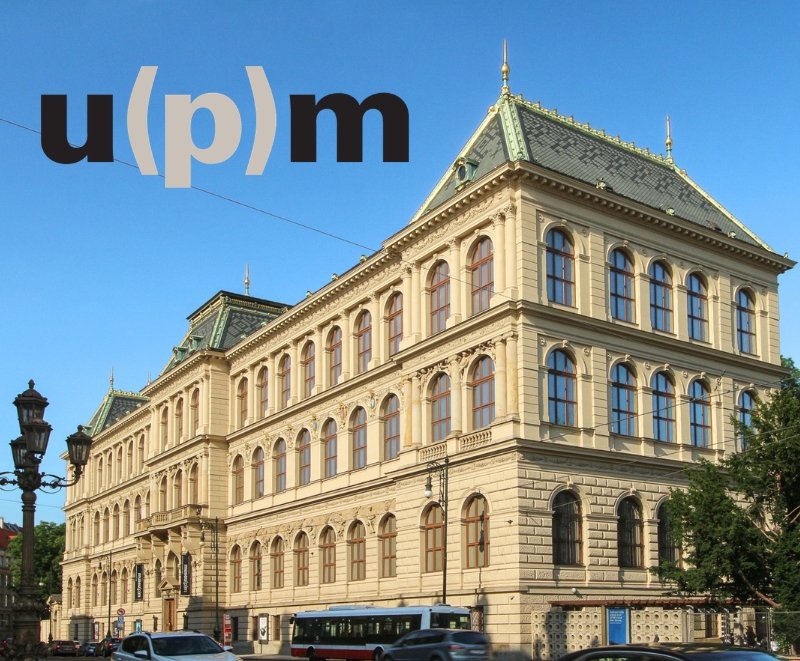
The Museum of Decorative Arts in Prague is a major Czech cultural institution specialising in decorative arts, design, textiles, fashion, and applied arts. The museum preserves and restores important artistic collections while developing exhibitions, educational programmes, workshops, lectures, and research activities for the public. It is highly experienced in textile conservation, digitisation, and innovative museum education practices aimed at both local communities and international audiences. Through its exhibitions and academic projects, the museum promotes the understanding of historical craftsmanship and contemporary design while contributing to the development of modern approaches to heritage preservation and cultural accessibility.
Website: Museum of Decorative Arts in Prague
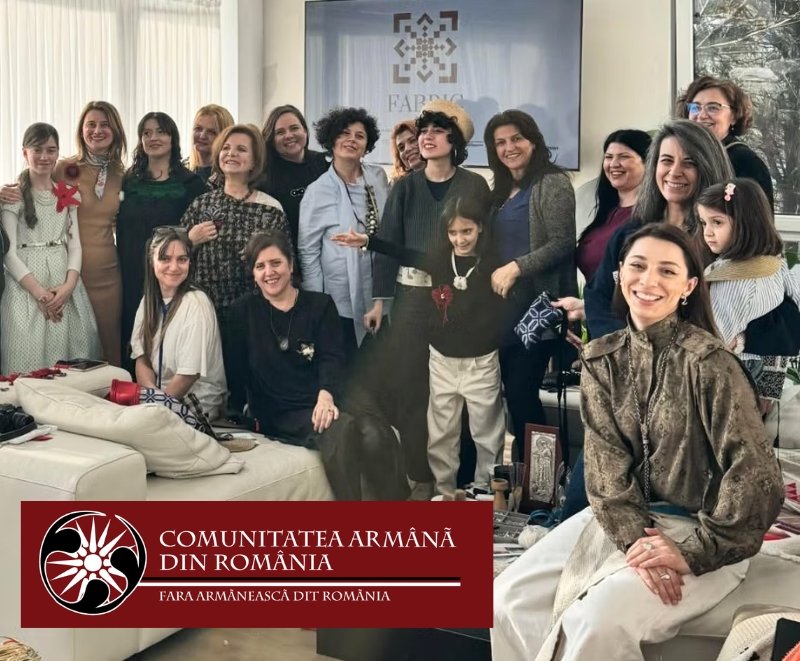
Comunitatea Armana din Romania - Bucharest Branch
Comunitatea Armana din Romania – Bucharest Branch is a Romanian non-governmental organisation focused on preserving and promoting the cultural heritage, traditions, and identity of the Aromanian community. Based in Bucharest, the organisation develops educational and cultural activities that strengthen intercultural dialogue and community participation. Its work includes exhibitions, theatre performances, documentaries, workshops, publications, and heritage preservation initiatives involving both young people and adults. The organisation also has extensive experience in Erasmus+ and international cooperation projects connected with cultural heritage, inclusion, community engagement, and non-formal education.
The Association franco-polonaise Côtes d’Armor Warmie et Mazurie (ACAWM) is a French non-profit organisation promoting European cooperation and cultural exchange between France and Poland since 1982. The association develops international projects in the fields of education, culture, heritage, youth engagement, and social inclusion. ACAWM has significant experience in Erasmus+ cooperation projects and works actively on preserving traditional textile and linen heritage through community-based initiatives and intercultural exchanges. By combining communication expertise, volunteer involvement, and strong European partnerships, the organisation supports sustainable cultural cooperation and lifelong learning opportunities across generations.
Website: ACAWM